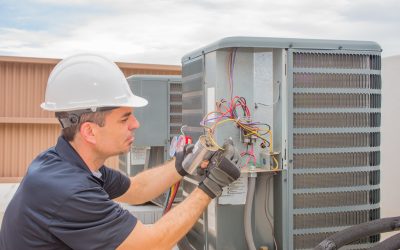
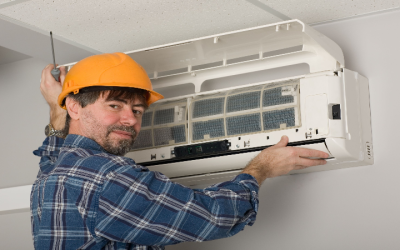
A home that stays warm despite a running air conditioner can quickly become uncomfortable, especially during a Littleton heat wave. If you’re searching online for AC repair in Littleton, CO, start by noting what the system is doing: whether it runs constantly, blows weak or warm air, or makes unusual sounds. These details can help a qualified technician identify the problem and recommend a practical fix.
Start With a Few Safe Checks
Before scheduling service, check a few simple items. Make sure the thermostat is set to “Cool” and that its temperature setting is below the room temperature. Replace the thermostat batteries if needed, and confirm the system is set to “Auto” rather than “On” if the fan continues running after cooling stops.
Next, inspect the air filter. A clogged filter restricts airflow, making it harder for the system to cool your home and potentially causing the indoor coil to freeze. Replace a dirty filter with the correct size and type. You can also check that supply vents are open and that furniture or curtains aren’t blocking them. If the outdoor unit is visibly obstructed by leaves or debris, clear material from around it while keeping a safe distance. Don’t open equipment panels or handle electrical components.
If these checks don’t help, avoid repeatedly restarting the system. A unit that short-cycles, leaks water, or produces a burning smell needs professional attention. Turn it off if you notice an electrical odor or suspect a serious leak, and contact a technician.
Why an Air Conditioner May Stop Cooling
Several issues can leave a system running without delivering enough cold air. A dirty filter or blocked coil can limit airflow. Low refrigerant may indicate a leak, which requires diagnosis and repair—not simply adding more refrigerant. A failing capacitor, worn motor, thermostat fault, or damaged electrical connection can also interfere with cooling.
Outdoor conditions matter, too. Summer heat puts extra demand on equipment, while direct sun and poor airflow around the outdoor unit can make heat transfer less effective. In some homes, the system may be undersized, aging, or struggling with duct leaks. Because symptoms can overlap, a technician typically checks airflow, electrical operation, refrigerant performance, and the condition of key components before recommending repairs.
What to Expect From a Service Visit
A thorough visit should begin with questions about when the problem started and whether it occurs throughout the home. The technician can inspect the indoor and outdoor equipment, test controls, assess airflow, and look for visible damage or leaks. Ask for an explanation of the diagnosis, repair options, and any safety concerns before approving work. Clear information helps you understand whether a repair addresses the underlying cause or only a symptom.
Prompt service can prevent a small fault from placing additional strain on the compressor or other components. It can also help restore comfort sooner, which matters when indoor temperatures remain high.
Help Prevent the Next Breakdown
Regular maintenance supports reliable cooling. Change filters on the schedule recommended for your home, keep the outdoor unit clear, and arrange periodic professional inspections. During a visit, a technician can clean accessible components, check system operation, and flag developing problems before peak summer demand.
When your home runs hot, a few basic checks may reveal an easy fix, but persistent warm air calls for an accurate diagnosis. Acting promptly, sharing clear observations, and keeping up with maintenance can help restore comfort and keep your cooling system working more dependably.