• Decorative curbing is a continuous poured-concrete edging that defines garden beds, walkways, and driveways while resisting the freeze-thaw cycles common in southern Wisconsin.
• Proper base preparation and curing time determine how well the curbing holds up through winter.
• Homeowners in Whitewater, WI, can compare color and stamped-pattern options before committing to a design.
Decorative curbing gives landscape beds, driveways, and walkways a clean, defined border that holds its shape far longer than plastic or metal edging. It is formed from poured concrete, shaped and colored on-site, then left to cure directly in the landscape.
For homeowners researching decorative curbing in Whitewater, WI, the appeal usually comes down to two things: appearance and longevity. Concrete curbing can be stamped with patterns resembling brick, stone, or rope edging, then tinted in a range of colors to match existing hardscaping or siding.
Unlike segmented pavers or plastic strips, a continuous poured curb will not shift, heave in isolated sections, or let grass creep underneath as easily, which matters in a region where ground freezing and thawing are normal seasonal events.
How Decorative Curbing Is Installed
The installation process follows a fairly consistent sequence regardless of the property, though soil conditions and existing landscaping can affect timing.
1. Layout and marking—the curb path is marked along beds, driveways, or walkways using stakes or paint lines.
2. Trenching—a shallow trench is cut to create a stable base and consistent depth for the curb.
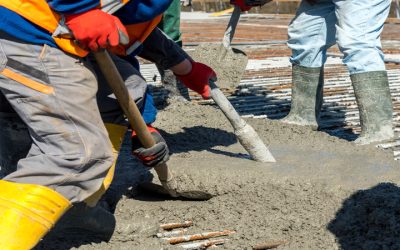
3. Extrusion or forming—a curbing machine extrudes wet concrete into the trench in a continuous ribbon, or concrete is hand-formed for tighter spaces.
4. Stamping and edging—while the concrete is still workable, a pattern can be stamped into the surface, and edges are smoothed.
5. Coloring—integral color or a surface-applied stain is added before the curb sets.
6. Curing—the curb is left undisturbed, typically for at least 24 to 48 hours, before foot traffic or lawn equipment comes near it.
Weather plays a direct role in how this process plays out. Freeze-thaw cycling can cause unsealed or poorly cured concrete to crack, so timing installation for a stretch of moderate, dry weather improves the outcome. The National Weather Service publishes regional forecasts that can help property owners and installers plan around frost advisories before a pour.
Choosing Colors, Patterns, and Placement
Most decorative curbing projects start with a few core decisions that affect both cost and appearance.
• Color—integral pigments are mixed into the concrete for consistent, long-lasting color, while stains sit closer to the surface and may need periodic refreshing.
• Pattern—stamped textures range from a simple rope-top edge to stone or brick-look impressions.
• Width and height—taller, wider curbs tend to hold mulch and soil better on slopes, while lower profiles suit flat walkway borders.
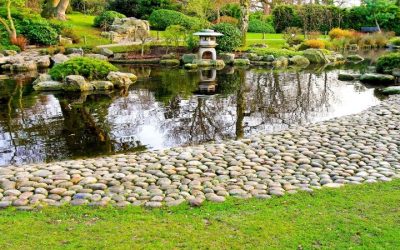
• Placement—curbing is commonly used along driveway edges, flower beds, tree rings, and patio perimeters.
Because the curb is poured on-site, curves and irregular shapes around existing trees, beds, or structures are easier to accommodate than with pre-cast segments.
Decorative Curbing Compared to Other Edging Options
| Edging Type | Typical Lifespan | Maintenance | Flexibility for Curves |
| Poured decorative curbing | Many years with proper care | Occasional resealing or color touch-up | High—formed on-site |
| Plastic or metal edging | Several seasons | Frequent reinstallation after heaving | Moderate |
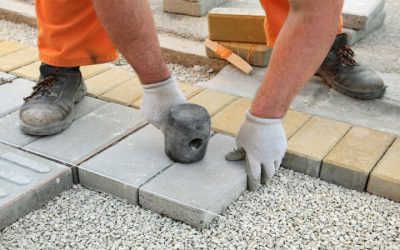
| Paver or brick edging | Varies by installation quality | Periodic releveling | Low to moderate |
This comparison reflects general industry characteristics rather than guaranteed results, since soil type, drainage, and installation quality all affect how any edging material performs over time.
Planning a Decorative Curbing Project
Reviewing color samples, stamped patterns, and curb placement before scheduling an installation date helps align expectations with the final result. Current information on styles and service availability for Pioneer Curb and Borders is available for property owners comparing options in the area.
Frequently Asked Questions
Does decorative curbing crack in cold weather? Properly cured concrete curbing with adequate depth and a stable base is designed to withstand normal freeze-thaw movement. However, extreme or repeated temperature swings can still stress any concrete product over time.
How soon can grass or mulch be placed against new curbing? Most installers recommend waiting until the concrete has fully cured, generally a few days, before backfilling with mulch or soil against the curb edge.
Can existing curbing be recolored or repaired? Surface stains and sealants can often refresh faded color on existing curbing, though structural cracks or heaving usually require replacing a section rather than patching it.
Is decorative curbing only used for flower beds? Decorative curbing is also installed along driveways, walkways, tree rings, and patio borders, not just garden beds.
Based in Watertown, WI, a decorative curbing provider serving the surrounding region extends that work to properties across Whitewater, WI, where seasonal freeze-thaw conditions make durable, well-formed edging a practical landscaping consideration. Details about services and service area coverage are listed through a business profile.