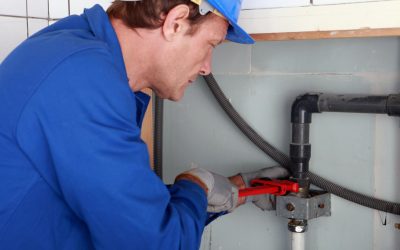
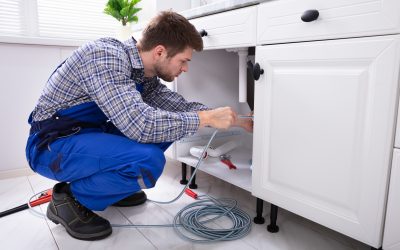
Water damage often starts quietly: a slow drip under a sink, a toilet that keeps running, or a damp patch that seems too small to worry about. By the time water stains appear, or flooring begins to buckle, moisture may already have spread behind walls or beneath the floor. Homeowners searching online for plumbing services in Wheat Ridge, CO are often looking for a way to address these problems early and protect their homes from expensive repairs.
Catching Small Problems Before They Spread
A plumbing system has many connection points, fixtures, and pipes that can wear down over time. Professional inspections can uncover loose fittings, corroded pipes, failing seals, and hidden leaks before they cause major damage. A plumber may also check water pressure, inspect visible supply lines, and look for signs of moisture around water heaters and appliances.
Early attention matters because water can travel far from its source. A leak behind a cabinet, for example, may damage drywall, encourage mold growth, and weaken flooring before it becomes visible. If you notice musty odors, unexplained increases in your water bill, peeling paint, or warm spots on the floor, investigate promptly rather than waiting for the problem to become obvious.
Preparing for Wheat Ridge’s Seasonal Conditions
Cold weather can put pipes at risk, especially in unheated areas such as garages, crawl spaces, and exterior walls. When water freezes, it expands and can create cracks that release water once temperatures rise. Before winter, insulate exposed pipes, seal drafts near plumbing, and disconnect garden hoses. If you’ll be away during a cold spell, keep the heat on and consider asking someone to check the home.
Thaw frozen pipes carefully. Never use an open flame; instead, warm the area gradually and contact a professional if you cannot locate the frozen section or suspect a pipe has split. A seasonal plumbing check can help identify vulnerable areas and reduce the chance of an emergency during a freeze.
Maintaining Fixtures and Appliances
Supply hoses and connections can fail without much warning. Periodically look behind washing machines, refrigerators with water dispensers, and dishwashers for dampness, rust, or bulging hoses. Replace worn hoses and follow appliance maintenance guidance. Check under sinks and around toilets, too; a deteriorating wax seal or a small supply-line leak can damage subfloors and nearby cabinetry.
Drains deserve attention as well. Grease, food scraps, hair, and other debris can cause clogs that lead to backups and overflows. Use drain strainers, dispose of cooking grease in the trash, and avoid relying on harsh chemical cleaners, which may damage pipes. Recurring clogs or slow drains are worth having assessed rather than repeatedly treating the symptoms.
Acting Quickly When Water Escapes
Know where your home’s main water shutoff valve is and make sure household members can find it. If a pipe bursts or a fixture starts leaking heavily, shut off the water, move belongings away from the affected area, and call for help. If it’s safe, document the damage and remove standing water promptly. Quick action can limit damage, though soaked materials may still need professional drying to prevent further problems.
Routine inspections, seasonal preparation, and fast responses to leaks all help reduce the risk of costly water damage. Paying attention to small warning signs—and knowing when to call a qualified plumber—can protect your home, belongings, and peace of mind.