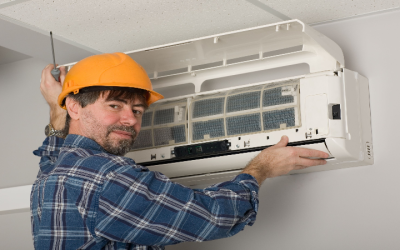
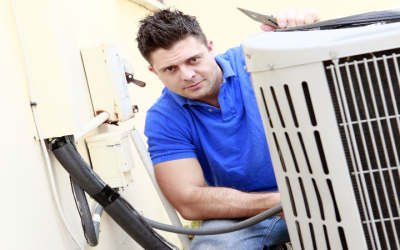
Water around an indoor AC unit usually means the cooling system is not draining moisture the way it should. In Glendale, AZ, where air conditioners often run for long hours during intense heat, moisture problems can lead to indoor damage, poor cooling performance, and the need for air conditioning repair.
An air conditioner does more than cool indoor air. It also removes humidity as warm air passes over the evaporator coil. That moisture should collect in a drain pan and move safely through a condensate drain line. When water appears around the indoor unit, it may point to a clogged drain, damaged pan, frozen evaporator coil, dirty filter, or installation-related issue.
Ignoring indoor AC water can allow small problems to spread into drywall damage, flooring issues, mold concerns, and larger system repairs. Understanding what causes the leak can help homeowners respond quickly and decide when to schedule ac repair service.
Why Does an Indoor AC Unit Produce Water?
During normal cooling, warm indoor air moves across the evaporator coil. As the coil absorbs heat, moisture from the air collects on the coil surface. That moisture drips into a condensate pan and flows out through the drain line.
This process is normal. What is not normal is seeing water pooling near the indoor air handler, dripping from the unit, or staining nearby walls and ceilings. When water leaves the drainage path, something inside the system is not working as intended.
In Glendale homes, AC systems may run for many hours during summer. Longer run times mean more condensation, which makes drainage problems more noticeable. A minor clog or cracked pan may not cause obvious trouble at first, but heavy cooling demand can expose the issue quickly.
What Causes Water to Collect Around an Indoor AC Unit?
One of the most common causes is a clogged condensate drain line. Dust, algae, debris, and buildup can block the line and prevent water from draining. When the line backs up, water may overflow from the drain pan and collect around the unit.
A damaged drain pan can also cause leaks. Older pans may rust, crack, shift, or separate from the proper drainage path. When that happens, water can escape even if the drain line itself is clear.
A dirty air filter may also contribute to indoor moisture problems. Restricted airflow can cause the evaporator coil to get too cold. When ice forms on the coil and later melts, the drainage system may not be able to handle the excess water.
Low refrigerant, blocked airflow, dirty coils, and blower problems can also affect coil temperature and moisture control. These issues often require ac repair because they involve system performance, not just surface cleanup.
Why Is Water Near the AC a Bigger Concern in Glendale?
Glendale’s hot climate places heavy demand on cooling systems. During peak summer, an AC unit may cycle frequently or run for extended periods to keep indoor temperatures stable. That means the system removes more moisture and relies heavily on proper drainage.
If the condensate drain is partly blocked, summer operation can push it over the edge. Water may begin to overflow during the hottest part of the day or after the system has been running for several hours.
Dust is another local concern. Desert dust can enter homes through doors, windows, attic spaces, and return air pathways. Over time, dust can build up in filters, coils, drain pans, and drain lines. When combined with moisture, buildup can restrict drainage and increase the chance of leaks.
What Damage Can an AC Water Leak Cause?
Water around an indoor AC unit should be taken seriously because it can affect more than the cooling equipment. If the unit is located in an attic, closet, hallway, garage, or utility space, leaking water can damage drywall, ceilings, baseboards, insulation, and flooring.
Moisture can also create conditions where mold or mildew may develop. Even small leaks can become a problem if they continue unnoticed behind walls or under flooring. In attic installations, a leak can stain ceilings or cause hidden structural concerns before homeowners see visible signs.
AC water leaks can also affect system reliability. If water reaches electrical components, safety controls, wiring, or nearby equipment, the issue may become more complex. Scheduling air conditioning repair early helps identify the source before the problem causes broader damage.
What Signs Should Homeowners Watch For?
Visible water is the clearest warning sign, but it is not the only one. Homeowners should also pay attention to musty odors, water stains, peeling paint, warped flooring, dripping sounds, or a ceiling stain below an attic unit.
Another sign is an AC system that shuts off unexpectedly. Some systems have a float switch that turns the unit off when the drain pan fills with water. This safety feature helps prevent overflow, but it also means the system may stop cooling until the drainage issue is resolved.
Reduced cooling performance may also appear if the moisture issue is related to airflow, refrigerant, or coil condition. When water problems appear with warm air, weak airflow, or unusual system cycling, ac repair service should be scheduled.
What Can Homeowners Check Safely?
Homeowners can start by turning the system off if water is actively leaking. This helps reduce additional moisture while the issue is being inspected. They can also check whether the air filter is dirty and replace it if needed.
It is also helpful to look around the indoor unit for visible water, stains, or a full drain pan. Homeowners can move items away from the area to prevent damage and place towels nearby to limit spreading water.
However, it is not recommended to open electrical panels, handle wiring, force components, or ignore repeated shutdowns. If water keeps returning, a technician should inspect the drain line, pan, coil, airflow, and safety controls.
Why Professional Diagnosis Matters
Water near an indoor AC unit can have several causes, and they are not always obvious from the outside. A clogged drain line may seem simple, but the real issue could also involve a coil problem, airflow restriction, system imbalance, or installation concern.
A professional inspection can determine whether the system needs drain clearing, pan repair, filter correction, coil cleaning, refrigerant evaluation, or another form of air conditioning repair. This helps prevent repeated leaks and protects the cooling system from added strain.
For Glendale homeowners, indoor AC water should never be treated as a normal part of summer cooling. The sooner the source is found, the easier it is to reduce damage risk and restore dependable cooling.
Stop Indoor AC Water Before It Spreads
Water near your indoor cooling unit can damage walls, flooring, and system components when left unresolved. If moisture keeps returning, schedule professional indoor AC repair to find the source, restore proper drainage, and protect cooling performance. Prompt ac repair service helps Glendale homeowners reduce damage risk, improve comfort, and keep their air conditioning repair needs under control.