When it comes to ensuring the best water quality in your home, the combination of a water softener and a reverse osmosis filtration system can provide remarkable benefits. Homeowners in Gilbert, AZ, are increasingly opting for integrated solutions that tackle various water quality issues, from hard water to contaminants in their tap water. By combining these two systems, you can enjoy cleaner, softer, and safer water throughout your home.
In this blog, we will explore the benefits of using both a water softener and reverse osmosis filtration system together, and why this combination can be the key to achieving superior water quality in your home.
What Is a Water Softener?
Hard water is a common issue in many homes across Gilbert, AZ. It contains high levels of minerals like calcium and magnesium, which can leave behind deposits on faucets, appliances, and in pipes. Over time, hard water can lead to limescale buildup, reducing the efficiency of appliances, causing blockages in pipes, and even damaging the plumbing system.
A water softener works by removing these minerals through a process called ion exchange. In this process, the calcium and magnesium ions in hard water are replaced with sodium or potassium ions. The result is soft water that is free of the minerals that cause scaling and other issues.
The primary benefits of using a water softener include:
- Prevention of Limescale Build-up: Soft water helps to prevent limescale deposits in appliances like dishwashers, washing machines, and water heaters, extending their lifespan and efficiency.
- Improved Skin and Hair Health: Soft water is gentler on the skin and hair, helping to prevent dryness and irritation that can occur from hard water.
- Better Soap Performance: Soft water enhances the effectiveness of soaps and detergents, meaning you can use less while achieving better results in cleaning.
What Is a Reverse Osmosis Filtration System?
A reverse osmosis (RO) filtration system is a popular solution for removing contaminants from drinking water. The system works by forcing water through a semipermeable membrane, which filters out impurities such as chlorine, lead, fluoride, sediment, bacteria, and other harmful substances. This process produces clean, purified water that is safe to drink and use in cooking.
Some key advantages of using a reverse osmosis filtration system include:
- Removal of Harmful Contaminants: RO systems effectively remove a wide range of harmful substances, including heavy metals, chemicals, and microorganisms.
- Improved Taste and Odor: By eliminating chlorine and other chemicals, RO systems improve the taste and smell of your tap water, making it more pleasant to drink and use.
- Healthier Water: With its ability to remove contaminants like lead, an RO system ensures that your drinking water is safer and healthier for you and your family.
While reverse osmosis is highly effective at purifying water, it doesn’t address the problems caused by hard water, such as limescale buildup and reduced appliance efficiency. This is where a water softener comes in to provide a more comprehensive water treatment solution.
Why Combine a Water Softener with Reverse Osmosis?
By combining a water softener with a reverse osmosis filtration system, you can enjoy the benefits of both systems and address a wide range of water quality issues in your home. Here’s why this combination is so effective:
1. Maximize Water Quality
While a reverse osmosis system provides excellent filtration for contaminants, it doesn’t remove the minerals responsible for hard water. A water softener, on the other hand, specifically targets those minerals and helps prevent the buildup of scale in pipes and appliances. By using both systems, you can ensure that your water is both soft and purified, providing the highest quality water for drinking, cooking, bathing, and cleaning.
2. Protect Your Plumbing and Appliances
Hard water can cause significant damage to your plumbing and household appliances. When hard water flows through pipes, it can lead to the formation of scale, which can clog pipes, reduce water flow, and even damage plumbing fixtures. By installing a water softener, you can prevent these issues.
Additionally, appliances like water heaters, dishwashers, and washing machines are often damaged by the buildup of limescale from hard water. By softening the water before it reaches these appliances, you can extend their lifespan and improve their efficiency.
However, hard water may still contain harmful contaminants like chlorine, lead, and other chemicals. A reverse osmosis system addresses these contaminants, ensuring that your drinking water remains clean and safe. Combining both systems creates a powerful solution to protect your home’s plumbing and appliances while providing pure, soft water.
3. Better Taste and Healthier Water
Hard water can affect the taste of your drinking water, making it taste “flat” or “metallic.” By softening the water before it goes through the reverse osmosis system, you can ensure that the water tastes better and is free of unwanted minerals and chemicals.
In addition, while reverse osmosis removes contaminants from drinking water, it doesn’t address the overall water quality throughout your home. By using both systems, you’re not only ensuring safe drinking water but also softening water for showering, laundry, and cleaning — making it gentler on your skin and improving the overall water experience in your home.
4. Energy and Cost Savings
A water softener helps prevent scale buildup in appliances that use water, such as water heaters and dishwashers. Limescale buildup reduces the efficiency of these appliances, causing them to work harder and use more energy. This increased energy consumption leads to higher utility bills over time.
By using a water softener, you can extend the lifespan of your appliances and reduce energy consumption, resulting in cost savings. With the added benefit of purified water from the reverse osmosis system, you also save money on bottled water or expensive water delivery services.
Professional Installation of Water Softener and Reverse Osmosis Systems
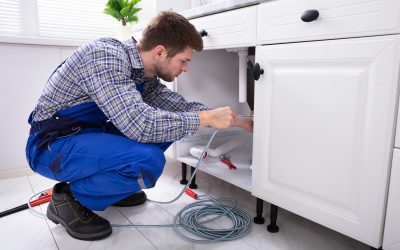
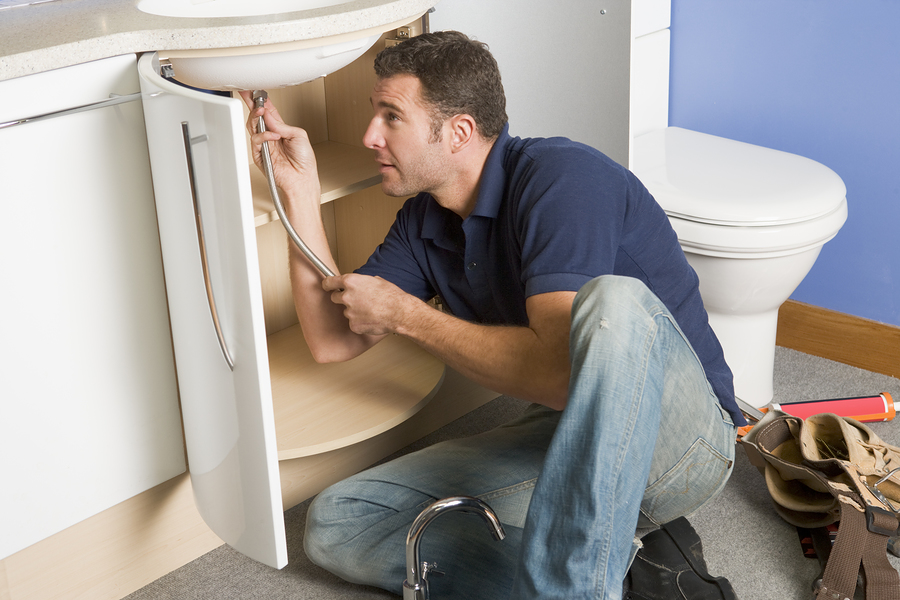
To ensure that both your water softener and reverse osmosis filtration system are installed correctly and efficiently, it’s essential to hire a professional plumber. A licensed plumber can help you select the right systems for your home, install them properly, and provide ongoing maintenance to keep them functioning at their best.
For residents in Gilbert, AZ, a professional plumbing company in Gilbert, AZ can help with the installation of both water softeners and reverse osmosis systems, ensuring that your home benefits from high-quality water throughout.