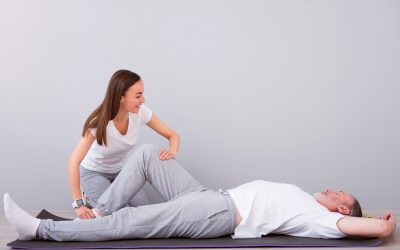
Back pain during a sit-to-stand movement often happens because the body must quickly shift weight, engage the core, and move the hips and spine together. When one part of that sequence is limited or poorly coordinated, extra strain may be placed on the lower back.
Standing from a chair may seem simple, but it depends on strength, balance, joint mobility, and timing. For people in Salinas, CA who spend long periods sitting at work or driving, this transition may be one of the first daily movements to reveal an irritated area.
Why Can Standing Up From a Chair Trigger Back Pain?
The movement begins with a forward weight shift. The trunk leans slightly forward, the feet press into the floor, and the hips and knees extend to raise the body.
If the hips are stiff, the legs are weak, or the trunk is not well controlled, the lower back may take on more of the workload. Pain may also appear when someone rises too quickly, twists while standing, or pushes unevenly through one side.
Discomfort during this transition does not always mean the chair caused the problem. The movement may simply place enough demand on an already sensitive muscle, joint, disc, or nearby structure to make the symptoms noticeable.
How Does Prolonged Sitting Affect the Transition?
Long periods of sitting can contribute to stiffness around the hips, pelvis, and lower back. When a person stands, the body must move from a fixed position into full weight-bearing activity.
A low chair makes the transition more demanding because the hips and knees must move through a greater range. A soft couch may create a similar issue by allowing the pelvis to sink and the back to round.
Foot placement also matters. When the feet are too far forward, the body has less leverage and may depend more heavily on the back to generate momentum.
Remaining seated in the same position for hours can also make the first few movements feel stiff. Regularly changing positions may help the body adjust more comfortably between sitting, standing, and walking.
Which Movement Patterns Can Increase Discomfort?
Rounding the lower back before rising can increase strain. So can rotating the trunk while pushing from one armrest.
Uneven weight distribution may also contribute. If one hip, knee, or ankle is uncomfortable, a person may shift toward the opposite side. Repeating that pattern can place uneven stress through the pelvis and back.
Another common pattern is using momentum rather than controlled movement. Quickly throwing the upper body forward may help someone leave the chair, but it can also place a sudden demand on sensitive areas of the lower back.
Can the Hips and Legs Contribute to Back Pain?
Yes. The hips and legs provide much of the force needed to stand. The gluteal muscles, thighs, calves, and core help raise and stabilize the body.
When these areas are weak, stiff, or not working together, the spine may compensate. Someone may pull upward with the back instead of driving through the legs, especially when rising from a low seat.
The ability to extend the hips is particularly important near the end of the movement. If hip movement is limited, the lower back may arch or shift excessively to help the person reach an upright position.
What Can Make Standing From a Chair Easier?
Placing both feet flat on the floor and slightly behind the knees can improve leverage. Leaning forward from the hips, rather than rounding the lower back, may also help.
A firmer or slightly higher chair can reduce the effort required. Armrests may be useful when they are used evenly and only as much as needed.
Moving slowly and avoiding a quick twist can reduce unnecessary stress. People who sit for extended periods may also benefit from changing positions regularly and taking short walking breaks.
It may also help to face directly forward before standing. Turning to reach for an object while rising combines lifting, rotation, and weight shifting, which may increase discomfort.
When Should Sit-to-Stand Back Pain Be Evaluated?
Recurring pain should be evaluated when it interferes with work, sleep, walking, or normal activities. Care is also important when pain travels into the leg or occurs with numbness, tingling, weakness, balance changes, or changes in bladder or bowel control.
A healthcare provider can review the location of the pain, the movements that reproduce it, and any related symptoms. This can help distinguish a temporary strain from joint, disc, nerve, or other concerns.
An evaluation may be especially useful when the pain continues despite changing chairs, moving more frequently, or adjusting the way the person stands.
How May Chiropractic Care Support Better Movement?
Chiropractic care may help identify mechanical factors that contribute to discomfort during the transition. An evaluation may include posture, spinal and hip movement, balance, muscle function, and the way a person rises from a chair.
Care may involve chiropractic adjustments, soft-tissue methods, movement guidance, or individualized exercises. The aim is to improve movement quality and address contributing patterns rather than focus only on the painful moment.
People researching Chiropractic care for back pain in Salinas, CA can review information from Smoot Family Chiropractic about back pain and available care options. They can help patients understand whether conservative care may be appropriate based on their symptoms and health history.
What Is the Main Takeaway?
Pain during sit-to-stand movements may be linked to how the hips, legs, pelvis, and spine work together. Foot placement, chair height, movement speed, joint mobility, and weight distribution can all affect the transition.
When discomfort keeps returning, an evaluation can help identify the source of the difficulty. Understanding how the body moves from sitting to standing can be an important step toward making everyday activities more comfortable.