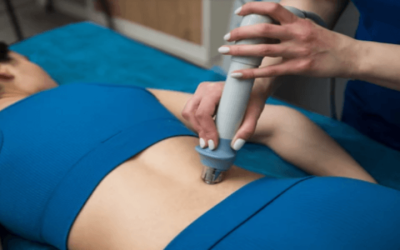
A chiropractor evaluates neck pain after a minor car accident by reviewing the collision circumstances, examining cervical spine function, assessing neurological findings, and determining whether additional medical evaluation is necessary. Even when a collision appears relatively minor, a professional assessment can help distinguish uncomplicated muscle and joint discomfort from injuries requiring further investigation.
Neck discomfort following a vehicle collision is not always immediately apparent. Some individuals experience stiffness within hours, while others notice symptoms developing over the following days. The timing and nature of those symptoms can provide important information about the injury.
Before considering chiropractic treatment, a clinician must determine whether the cervical spine can be examined and treated safely.
Why Does a Minor Car Accident Still Require Careful Neck Evaluation?
The visible damage to a vehicle does not reliably establish whether someone sustained a cervical injury.
During a collision, sudden acceleration or deceleration can cause the head and neck to move rapidly. These forces may affect muscles, ligaments, joints, and other cervical structures.
This mechanism is commonly associated with whiplash, although not every patient with post-collision neck discomfort has the same injury.
Some individuals experience temporary muscular soreness. Others may develop restricted movement, headaches, or symptoms involving surrounding nerves.
An auto accident chiropractor must consider these possibilities without assuming that a particular diagnosis applies to everyone involved in a collision.
What Questions Does a Chiropractor Ask About the Collision?
The clinician may ask whether the vehicle was struck from behind, from the side, or from another direction. They may also discuss seat belt use, head restraint positioning, airbag deployment, and whether the patient’s head struck anything.
These details provide context about the forces involved, although they cannot independently establish the presence or severity of an injury.
Understanding the Timeline of Symptoms
The timing of neck discomfort can influence clinical reasoning.
For example, someone who developed immediate severe pain may require different assessment considerations from a person whose mild stiffness appeared the following morning.
A chiropractor may ask whether discomfort has changed since the collision, whether movement aggravates symptoms, and whether other problems developed afterward.
Headaches, dizziness, arm discomfort, and sensory changes may also be relevant.
Reviewing Previous Neck Conditions
Medical history helps distinguish new symptoms from existing problems.
A patient might have experienced cervical disc changes, previous whiplash, recurring headaches, or chronic neck stiffness before the accident.
Previous imaging, specialist evaluations, and relevant diagnoses can provide additional context.
This information helps the clinician determine whether the collision may have aggravated an existing condition or whether further investigation is warranted.
How Is Cervical Spine Mobility Assessed?
When it is safe to perform a movement examination, a chiropractor may observe how comfortably and effectively the patient moves their head.
Restricted motion can provide information about pain, muscle guarding, and functional limitations.
However, reduced movement does not automatically identify a specific injured structure.
Observing Movement Limitations
A person may experience discomfort when turning their head toward one shoulder but relatively little discomfort when moving in another direction.
Clinicians may also observe whether movements reproduce familiar symptoms or cause discomfort in surrounding areas.
Movement testing should be adapted to the patient’s condition. When a possible fracture, instability, or other significant injury has not been excluded, routine cervical movement testing may be inappropriate.
Examining Surrounding Muscles and Joints
Once serious injury concerns have been appropriately addressed, a physical examination may include assessment of cervical muscle tenderness, joint-related discomfort, and surrounding soft tissues.
Painful muscles do not necessarily indicate a simple strain.
Muscular guarding can occur in response to several conditions, including injuries affecting deeper spinal structures.
Why Are Neurological Findings Important After a Collision?
The cervical spine contains structures that protect the spinal cord and support nerve pathways extending into the shoulders, arms, and hands.
A car accident chiropractor may therefore consider neurological findings when determining whether conservative care is appropriate.
Depending on the patient’s presentation, examination may include assessments of sensation, muscle strength, and reflexes.
Evaluating Sensory Changes
Numbness, tingling, or altered sensation can suggest possible involvement of a nerve pathway.
For example, symptoms extending from the neck into an arm may raise questions about cervical nerve root irritation.
However, these symptoms can have several explanations and cannot be attributed to a particular spinal condition without appropriate evaluation.
Assessing Muscle Strength and Reflexes
Changes in muscle strength or reflex responses may provide additional information about neurological function.
A clinician may compare findings between the patient’s arms and consider whether abnormalities correspond with reported symptoms.
Progressive weakness, substantial sensory changes, or signs suggesting spinal cord involvement require prompt medical assessment.
When Should Medical Evaluation Come Before Chiropractic Treatment?
Not every person experiencing neck discomfort after a collision is an appropriate candidate for immediate spinal manipulation.
Suspected cervical fractures, spinal instability, significant neurological abnormalities, or other concerning clinical findings may require emergency assessment or specialist involvement.
For example, severe neurological symptoms, increasing weakness, difficulty walking, or new problems with coordination can indicate a potentially serious condition.
Severe headache, confusion, or other symptoms suggesting associated head or vascular injury also require urgent medical consideration.
An auto injury chiropractor should recognize when a patient’s presentation falls outside the appropriate scope of conservative treatment and when referral is necessary.
The goal is to identify the safest next clinical step, not to proceed automatically with adjustments.
Does Every Patient Need Imaging After a Minor Collision?
No. X-rays, CT scans, and MRI examinations are not automatically necessary for every individual experiencing post-collision neck discomfort.
Medical professionals commonly use validated decision tools, including the Canadian C-Spine Rule and NEXUS criteria, when determining whether imaging is indicated after certain forms of blunt cervical trauma.
These tools consider factors such as neurological symptoms, midline tenderness, injury circumstances, and other clinical findings.
When imaging is indicated for suspected significant cervical injury, CT may be preferred for evaluating fractures in adults.
MRI may be considered when neurological or soft tissue concerns require further assessment.
Previous imaging results can also be relevant, but older scans cannot automatically exclude a new injury.
How Does a Chiropractor Decide Whether Treatment Is Appropriate?
After reviewing medical history, symptoms, examination findings, and any relevant diagnostic information, the chiropractor can consider whether a conservative treatment approach is appropriate.
The clinician must assess whether there are contraindications to particular techniques, whether additional investigation is necessary, and whether the patient’s symptoms are consistent with a condition that may be managed conservatively.
When appropriate, neck pain chiropractor services may be considered as part of an individualized approach to musculoskeletal discomfort.
However, not every patient requires a spinal adjustment, and some injuries make cervical manipulation inappropriate.
Why Is the Initial Evaluation Different From Ongoing Care?
The first professional assessment focuses on understanding the injury and identifying concerns that could affect treatment safety.
Later visits, when appropriate, may involve reviewing how symptoms and functional limitations have changed.
A clinician may reassess movement, pain characteristics, or neurological findings if the patient’s condition changes.
For example, symptoms that become progressively worse or develop new neurological features may require a different clinical response.
Why Should Neck Pain Be Evaluated Beyond the Painful Area?
Although discomfort may be concentrated in the neck, the effects of a collision can involve surrounding structures.
Patients may report shoulder discomfort, upper back tightness, headaches, or difficulty with particular movements.
A professional assessment considers whether these complaints are related and whether they suggest muscular, joint-related, neurological, or other concerns.
Posture and movement observations may provide useful context after serious injury has been excluded.
Nevertheless, identifying a movement limitation does not establish that a spinal misalignment caused the symptoms.
What Should Patients Understand About Post-Collision Chiropractic Assessment?
A chiropractic evaluation after a minor car accident is primarily a clinical decision-making process.
Importantly, neck pain after a collision should not automatically be attributed to whiplash, muscle tension, or spinal alignment problems.
For individuals in Westfield, NJ, who are considering professional evaluation after a collision, understanding this process can help create more informed discussions about their symptoms and available treatment options.
A Careful Evaluation Comes Before a Treatment Decision
Neck discomfort following a minor car accident deserves an assessment that considers more than the apparent intensity of the impact.
When findings suggest a more serious injury, medical referral or diagnostic investigation should take precedence over spinal manipulation.
When serious concerns have been excluded, a qualified healthcare professional can discuss whether conservative treatment is suitable for the individual’s needs.
The central principle is that clinical findings—not assumptions about the accident—should guide decisions about cervical spine care.
About Balanced Corrective Chiropractic
Located at 141 South Euclid Avenue in Westfield, New Jersey, Balanced Corrective Chiropractic provides corrective chiropractic services for patients with neck, back, and other musculoskeletal concerns. The practice is led by Dr. Damien Kang, a licensed, board-certified chiropractor and Doctor of Chiropractic whose clinical approach emphasizes individualized spinal and postural care. To inquire about an appointment, call (908) 989-3303, or view their office location on Google Maps.