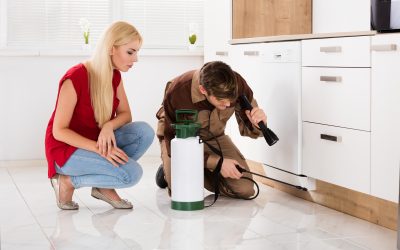
Finding pests in your home can be stressful, especially when the problem keeps returning after a do-it-yourself treatment. The right professional can identify what is attracting them and recommend a safe, lasting solution. If you’re researching local options, searching for Exterminator Plymouth County MA can help you find providers familiar with the area’s common pest pressures and housing conditions.
Look for Local Knowledge and Proper Credentials
Pest activity can vary with the seasons, weather, and location. In Plymouth County, changing temperatures, damp conditions, and wooded or coastal surroundings may contribute to issues with ants, rodents, mosquitoes, and other pests. A knowledgeable provider should be able to explain which pests are common in your area and how conditions around your home may be contributing to the problem.
Before booking, ask whether the company holds the required Massachusetts pest-control licenses and carries appropriate liability insurance. You can also ask who will perform the inspection and treatment, what training technicians receive, and whether the company follows state and local requirements. A professional should answer these questions clearly rather than pressure you into signing immediately.
Ask for an Inspection Before Treatment
Effective pest control starts with understanding the source of the activity. Ask whether the provider will inspect relevant areas, such as the basement, attic, kitchen, foundation, and entry points. The inspection should look for evidence of pests, conditions that attract them, and openings they may use to enter.
Be cautious if someone recommends broad treatment without first assessing the home. A detailed inspection helps distinguish between an isolated sighting and a more established infestation. It also gives the technician a chance to identify practical prevention steps, such as sealing gaps, repairing screens, reducing moisture, or storing food securely.
Understand the Treatment Plan
A reliable provider should explain what they found, what they recommend, and why. Ask which products or methods may be used, where treatments will be applied, and whether you’ll need to leave the house or keep pets away temporarily. You should also receive clear instructions for preparing your home and any precautions to follow afterward.
Whenever appropriate, ask about an integrated pest management approach. This combines monitoring, sanitation, exclusion, and targeted treatments rather than relying on routine pesticide use alone. The best plan depends on the pest, the size of the problem, and your household’s needs. For example, a home with young children, pets, or residents with sensitivities may require extra precautions.
Compare Estimates and Follow-Up
Get a written estimate that explains the services included, the treatment schedule, and any additional fees. A low initial price may not cover follow-up visits or continued monitoring, so compare the full scope of service—not just the first appointment. Ask what happens if pests return and whether the company offers a service guarantee, including any limits or conditions.
Reviews can provide useful context, but look for patterns rather than relying on one glowing or negative comment. Pay attention to feedback about communication, punctuality, and whether technicians explained their recommendations. A trustworthy professional sets realistic expectations and does not promise instant results for every pest problem.
Choosing well means looking beyond a quick treatment. Check credentials, request a thorough inspection, understand the plan, and compare written estimates and follow-up terms. With clear answers and practical prevention advice, you can make an informed decision and protect your home more confidently.